Zero Trust access for modern, distributed teams
Designed for organizations securing access across remote users, cloud applications, and internal systems without exposing the network. Access is granted per user, per application, and per session - never by default.
Trusted by Global Partners




Trusted by Global Partners
Network access no longer means network trust
Remote work, cloud adoption, and third-party collaboration have dissolved the traditional network perimeter.
Yet many access models still rely on implicit trust - once connected, users can see more than they should.
This approach increases attack surfaces, lateral movement risks, and operational complexity.

A single Zero Trust access view built to scale
Bring all application access into a single, controlled layer. Enforce Zero Trust policies consistently while maintaining visibility and control as environments grow.
Default-Deny Access Enforcement
Deny all access by default and grant permissions explicitly per user and per application. Reduce attack surfaces by eliminating implicit network trust.

Identity- and Context-Aware Access Control
Verify user identity, device posture, location, and access context before granting access. Apply fine-grained policies based on user, group, time, and application not network location.

Resilient & Predictable Access Operations
Built-in gateways, policy enforcement, and encrypted connections keep access predictable and secure as usage scales. Access remains controlled without exposing internal networks or disrupting users.

Consistent Zero Trust access enforcement across real-world scenarios
Designed for organizations managing application access across remote users, cloud services, and third-party environments.
Secure access to internal applications
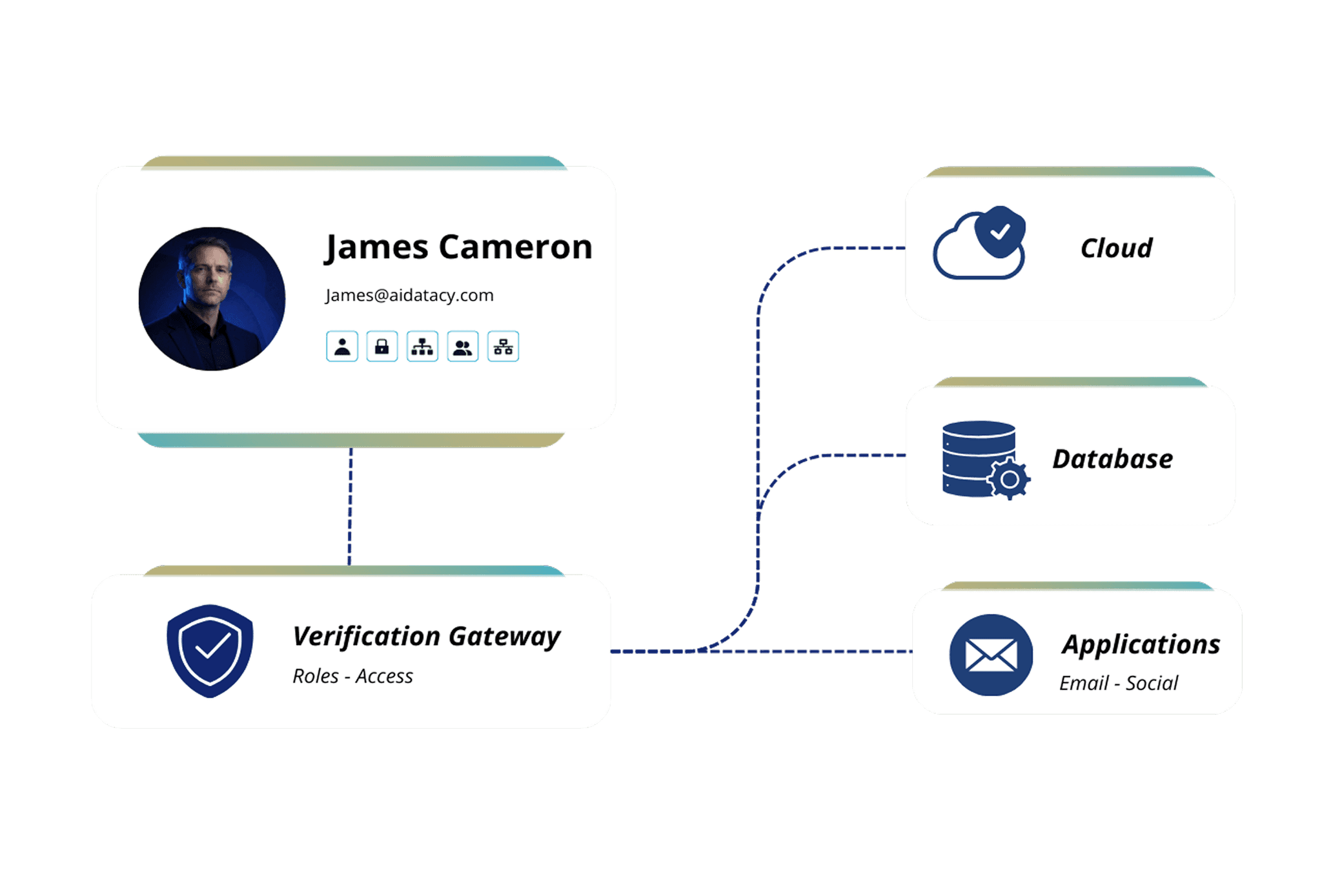
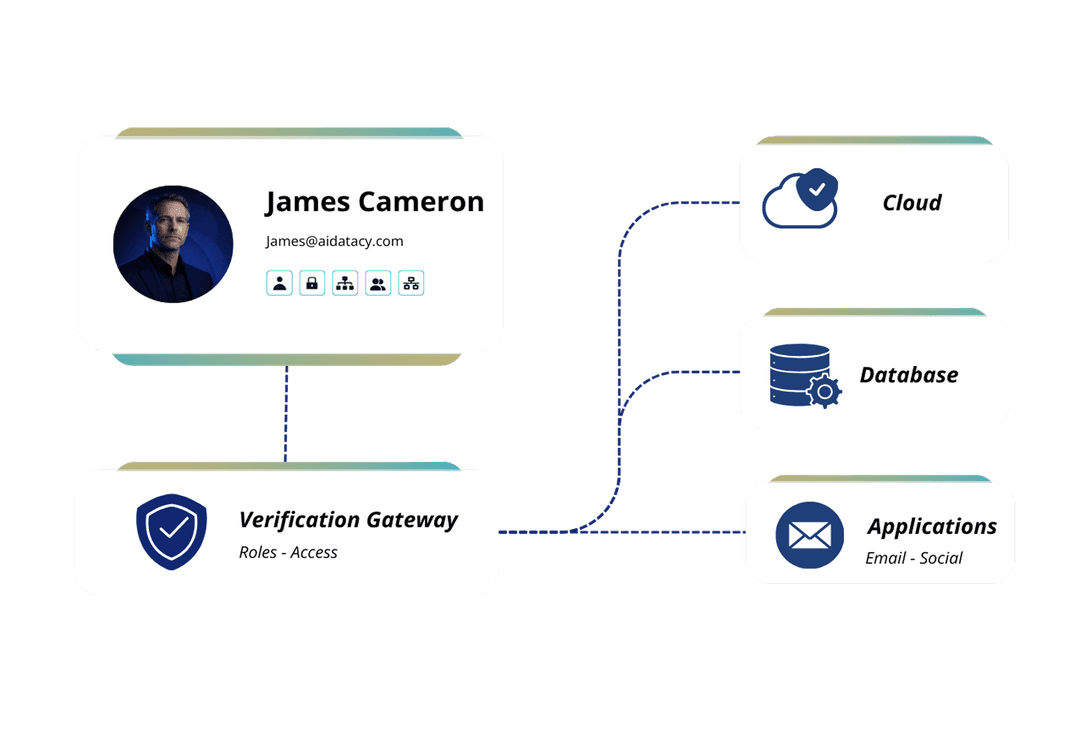
Grant users access directly to approved applications not the underlying network. Internal systems remain hidden, reducing exposure and preventing lateral movement.
Remote and third-party access without VPN exposure
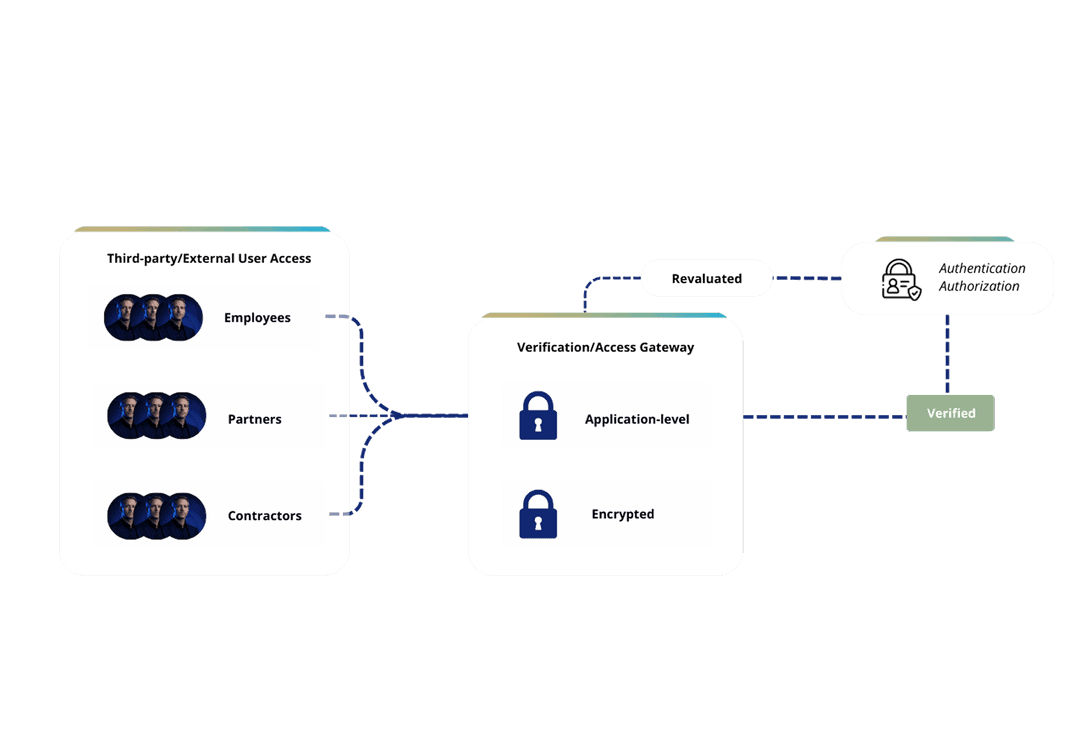
Provide controlled access for employees, partners, and contractors without opening network tunnels. Access is application-level, encrypted, and continuously evaluated.
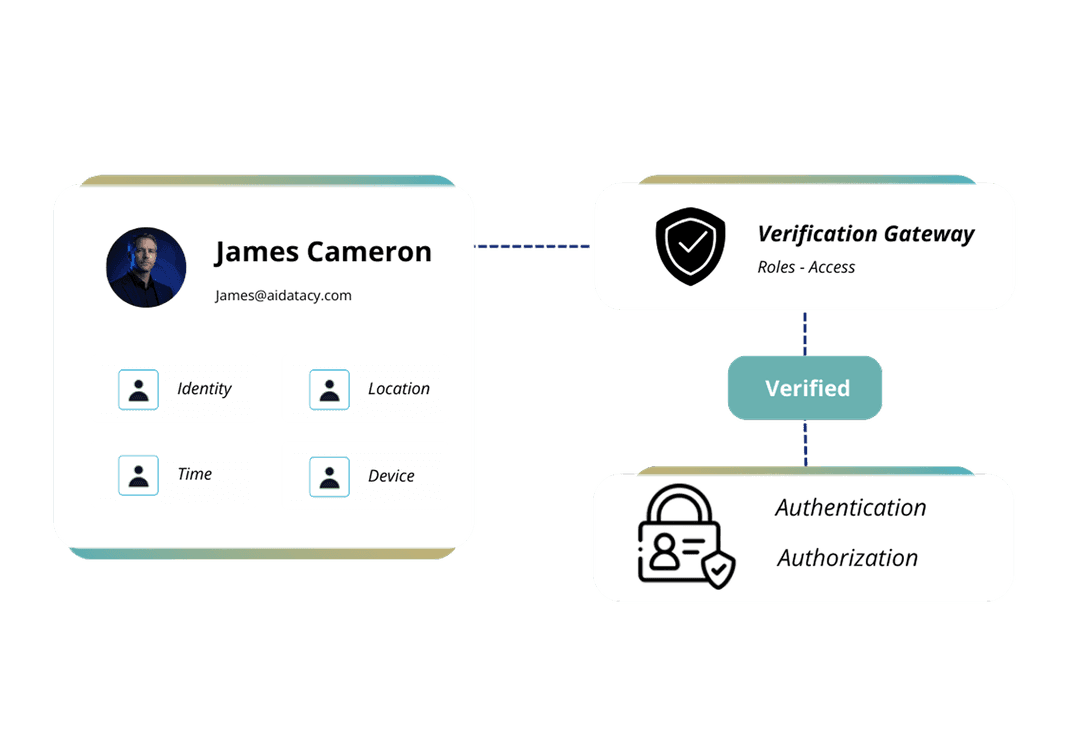
Context-aware access enforcement
Evaluate identity, device posture, location, and time before granting access. Policies adapt dynamically to user context instead of relying on static network rules.
Operational governance and auditability
Access control must remain enforceable and observable as environments scale.
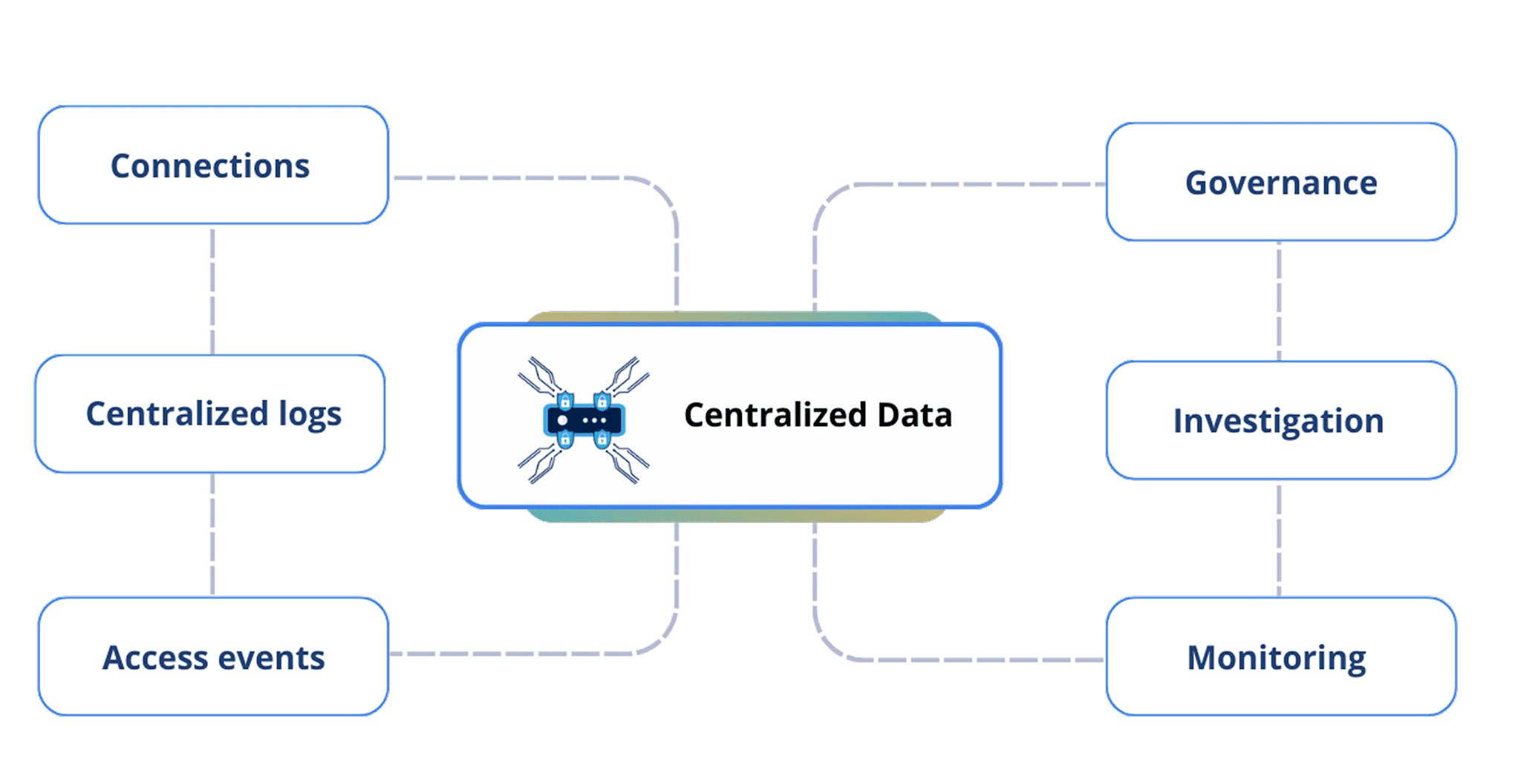
Access visibility & policy integrity
Encrypted connections, centralized logs, and access events support monitoring, investigation, and long-term governance.
Additional ZTNA capabilities

Application-Centric Access
Grant access directly to approved applications instead of exposing the network. Reduce attack surfaces and prevent lateral movement by design
Strong Authentication Before Access
Enforce multi-factor authentication before establishing access. Prevent unauthorized access even if credentials are compromised.
Default-Deny Access Model
Deny all access by default and grant permissions explicitly. Zero Trust is enforced from the first connection attempt
Secure Encrypted Connectivity
Protect all access sessions using modern encryption protocols. Ensure confidentiality and integrity of data in transit.
Identity-Based Access Control
Apply access policies based on user and group identity instead of IP addresses. Access decisions align with real organizational roles
Gateway-Based Access Enforcement
All access is brokered through a controlled access gateway. Internal applications remain invisible to unauthorized users.
Context-Aware Device & Posture Check
Verify device posture, OS, application state, IP, and location before granting access. Untrusted devices are blocked automatically.
Predictable & Scalable Access Operations
Maintain consistent access behavior as users, applications, and locations scale. Policies remain enforceable without increasing operational complexity.
What organizations achieve with AIDATACY
See how organizations reduce risk, unify access, and collaborate securely.


State Bank of Vietnam
How the State Bank of Vietnam reduced false positives by 65% and integration time by 80% in national AML detection with AIDATACY’s encrypted collaboration engine
__Senior AML/KYC Manager__


Take Control of Your Security Operations
You've seen what AIDATACY can deliver - unified visibility, Zero-Trust access, resilient multi-site security, and future-ready encrypted collaboration. Now it's your turn to run operations smoother - and spend smarter.